





























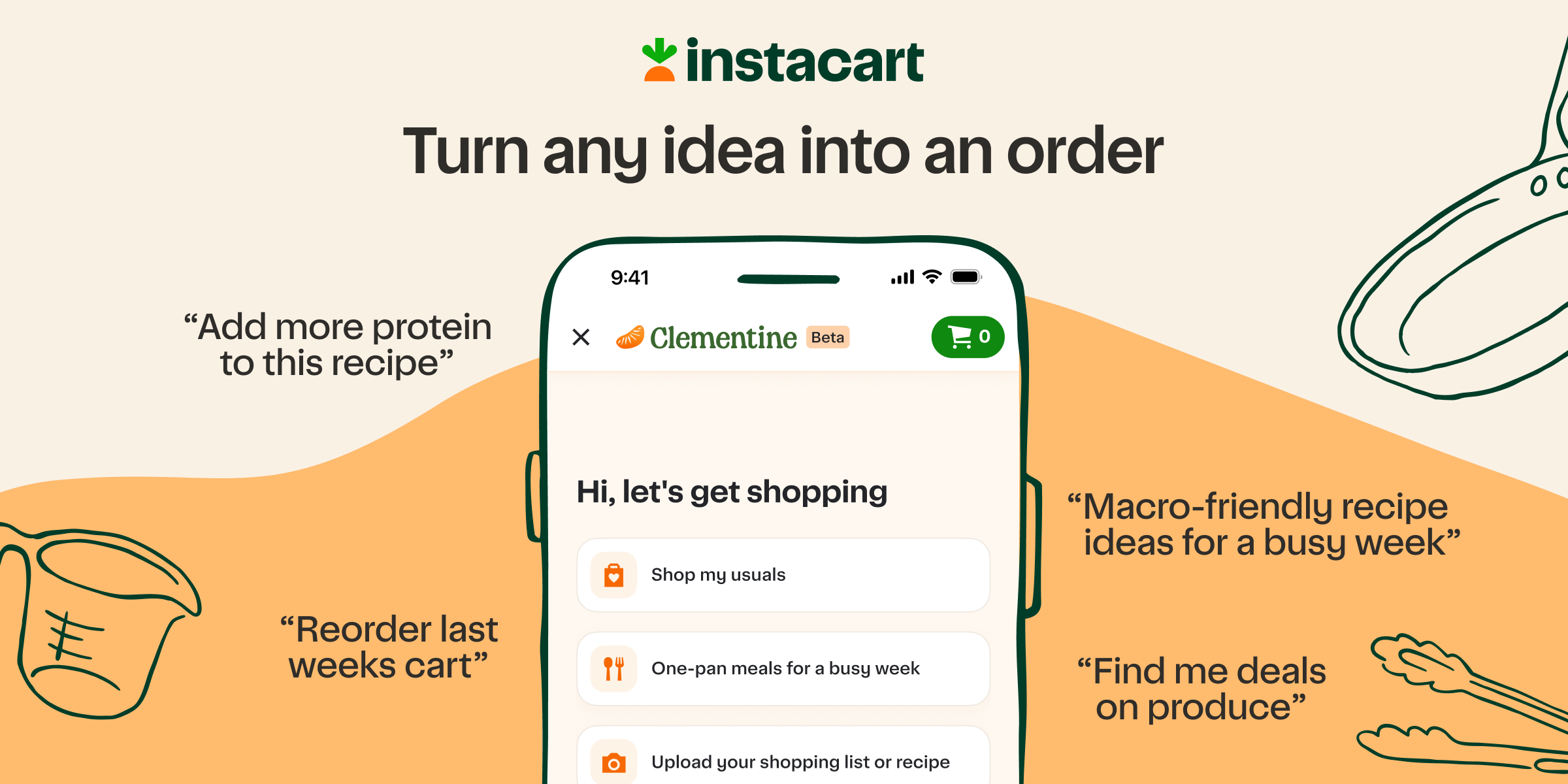
Instacart Clementine AI is now live. On September 9, 2026, Instacart launched Clementine, its AI-powered grocery shopping assistant, across North America. The company announced the launch on its newsroom, and Clementine turns conversations into personalized grocery carts using real-time inventory signals. As a result, shoppers can move from a vague idea to a ready-to-buy list in seconds.
What Instacart Clementine AI does at launch
Clementine targets the hardest parts of grocery shopping. It helps users decide what to make for dinner, shop the way a household actually eats, and stay on budget. Users type natural prompts such as “I need a week of budget-friendly kid lunches” or “high-protein easy dinners for two”. The assistant then returns a personalized, ready-to-buy cart in seconds. Still, these are Instacart’s advertised benefits, not results from our own testing.
The experience grounds itself in live shelf data. Suggestions tie to what is actually available at the chosen store. Consequently, shoppers spend less time planning and more time enjoying meals. However, shoppers should still review availability and substitutions before checkout.
Personalization and household preferences
Instacart says Clementine learns from preferences you share and from past shopping behavior. An expanded preference center lets customers set dietary choices once, and Clementine applies them across the experience. Additionally, the assistant builds profiles from order history.
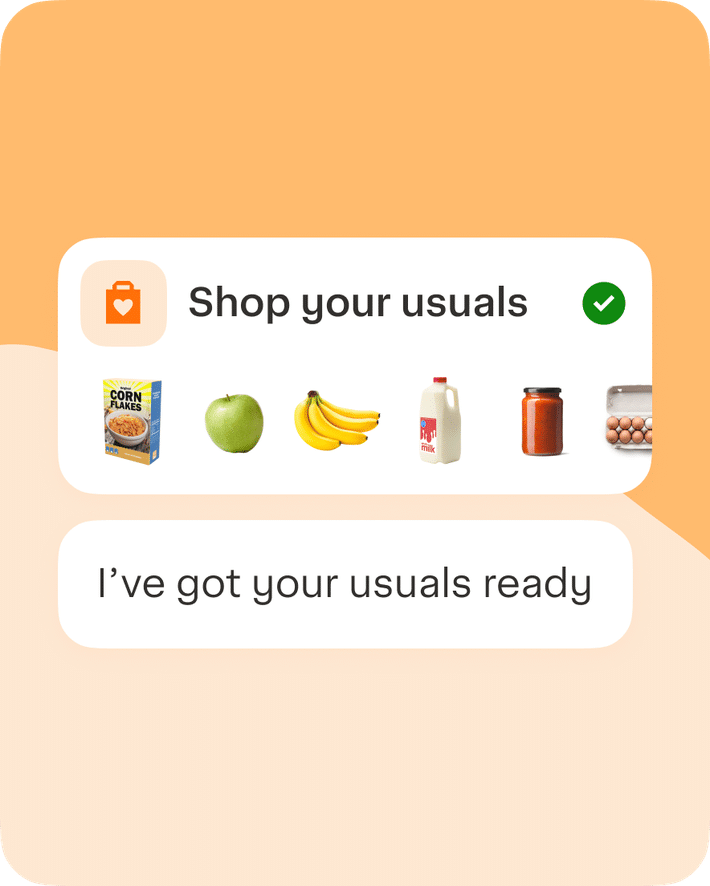
Core capabilities at launch include dinner planning with on-the-spot recipe generation, savings support that surfaces deals and lower-cost alternatives, and reorder on autopilot that pulls from order history. The assistant also handles occasion-based shopping. For instance, “everything for a football watch party for 20 people” becomes a tailored list based on brand preferences and dietary choices.
List upload is supported. Users can snap a photo of a handwritten list or screenshot a digital one, and Clementine converts it into a list that can be added to cart quickly. However, shoppers should check that the converted list matches their original.
Grocery shopping is routine and personal, and Clementine understands both. That framing guides how the assistant balances automation with household-specific context. Meanwhile, the interface keeps the conversation front and center.
Instacart Clementine AI availability and access
Clementine is available to most U.S. and Canadian Instacart customers through the app and website. On mobile, the icon sits at the top right above the search bar. On desktop it appears at the top of the left navigation bar. After selecting a retailer, users open the assistant and start a conversation. Thus, access is consistent across platforms.
Early results reported by Instacart show orders placed with Clementine include more items than the typical basket. They also exceed the company’s $115 average basket size. The company notes a usage progression. Customers often start with simple restocking and graduate to recipe discovery. In addition, the data suggests larger, more considered baskets.
Intelligence behind the assistant
Instacart built Clementine on more than 1.6 billion lifetime orders. It also uses a catalog of over 2 billion items and more than 10 million daily inventory signals from nearly 100,000 stores. That foundation powers inventory intelligence that tracks real-time shelf availability and weekly eating patterns. As a result, suggestions stay practical.
The same technology underpins Cart Assistant, Instacart’s white-label enterprise AI shopping assistant for grocers. Food Bazaar, Heritage Grocers Group and Woodman’s now run Cart Assistant. ALDI U.S., Harmon’s, The Save Mart Companies, Stew Leonard’s and additional partners are slated to follow. Retailers can customize name, tone, loyalty integration and recipe content.
This builds on Instacart’s broader AI work. Earlier this year the company explored AI Caper Carts and grocery privacy questions. In addition, our coverage of Gemini Spark and its Instacart connection explores how assistants extend into partner apps.
Privacy and limits to note
As an AI assistant tied to purchase history, Clementine relies on data users share and how they shop on Instacart. Instacart says the assistant learns from preferences you share and can help stay on budget and surface in-stock items. However, shoppers should treat these recommendations as shopping assistance rather than an independent product review.
The company frames the launch as a milestone in its AI strategy. Cart Assistant is already live on retailer storefronts. Readers should review Instacart’s privacy and data-use policies for specifics on how shopping history and preference data are stored and used. Nevertheless, the assistant’s value depends on the data users provide.